waste
Living Plastic Free
Read Article

Matt
It challenges our disposable culture, conserves resources, and, overall, reduces our environmental impact. Zero waste undoubtedly has a lot to offer, but what is it exactly, why is it important, and where should you start?
Zero waste aims to keep waste out of landfills, incinerators, and the ocean. To do so, it shifts sole responsibility for resource conservation away from the recycling industry and encourages sustainable solutions and practices to be embraced at developer and consumer levels. This order of priority is outlined in the zero waste hierarchy, which is part of the internationally recognized guidelines set out by Zero Waste International Alliance (ZWIA).
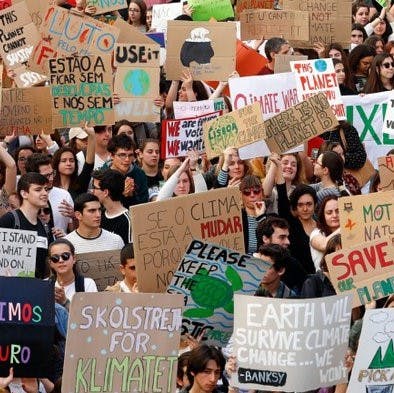
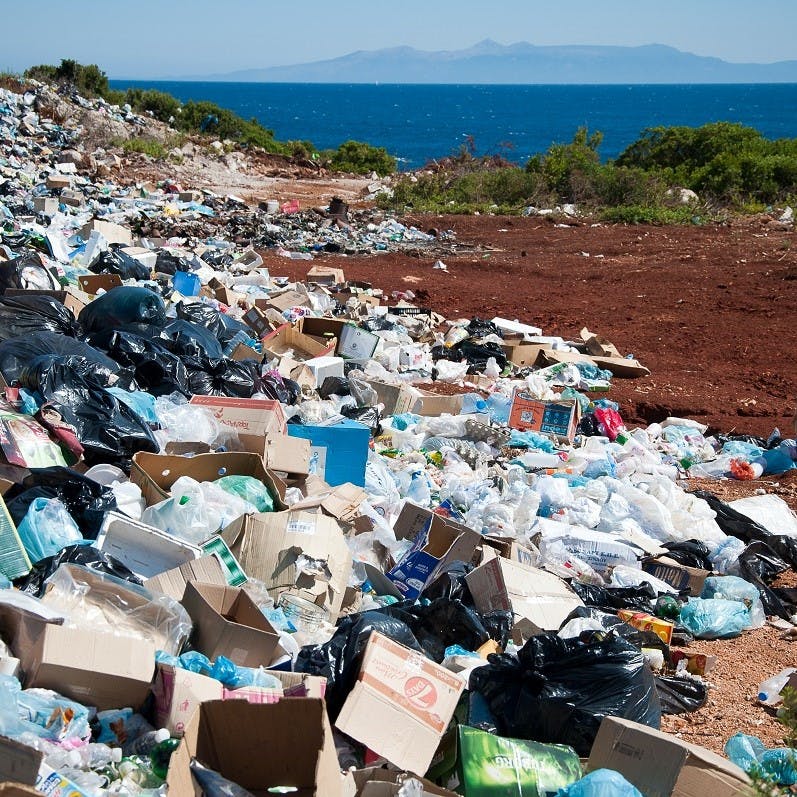
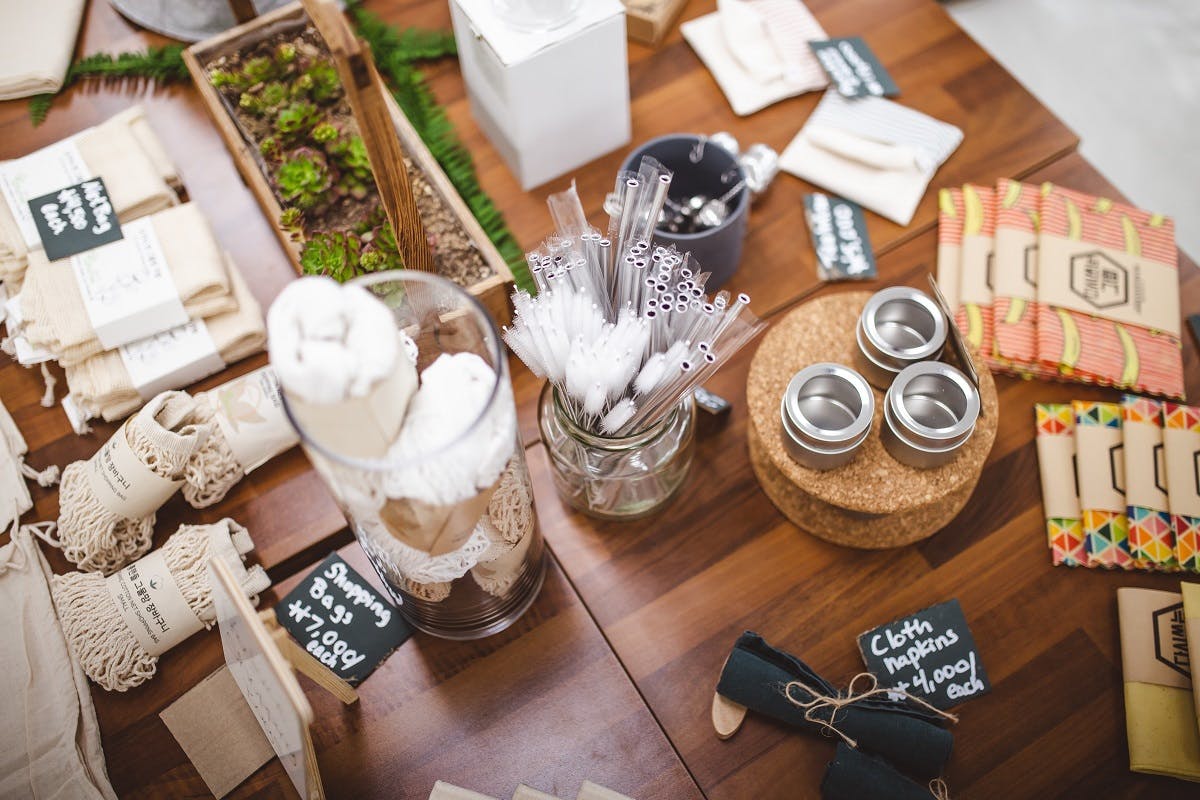
The zero waste hierarchy expands upon the well-known 3 Rs (Reduce, Reuse, Recycle) to create 7 tiers, presented in order of priority. While the 3Rs focus mainly on consumers, this hierarchy also provides guidance for those that want to develop products, systems, or services that propel us closer to zero waste.
1. Rethink/Redesign
Looking at the way things presently are and seeking solutions that are less wasteful. From a consumer standpoint, this may include swapping products you need for sustainable alternatives.
2. Reduce
Using less of what we need and saying no to the things we don’t.
3. Reuse
Seeking ways to reuse items before recycling, home composting, or trashing.
4. Recycle / Compost
Sending waste through the appropriate streams to maximize material recovery and keep food waste out of landfills—a leading producer of methane.
5. Material Recover
Salvaging material in the waste stream.
6. Residuals Management
Dealing with what is still left and asking ourselves how to create change so these unsalvageable materials don’t reach this point again.
7. Unacceptable
This is lowest on the tier and includes incineration and destructive disposal of discards, toxic residuals in consumer products, and policies that support these practices.
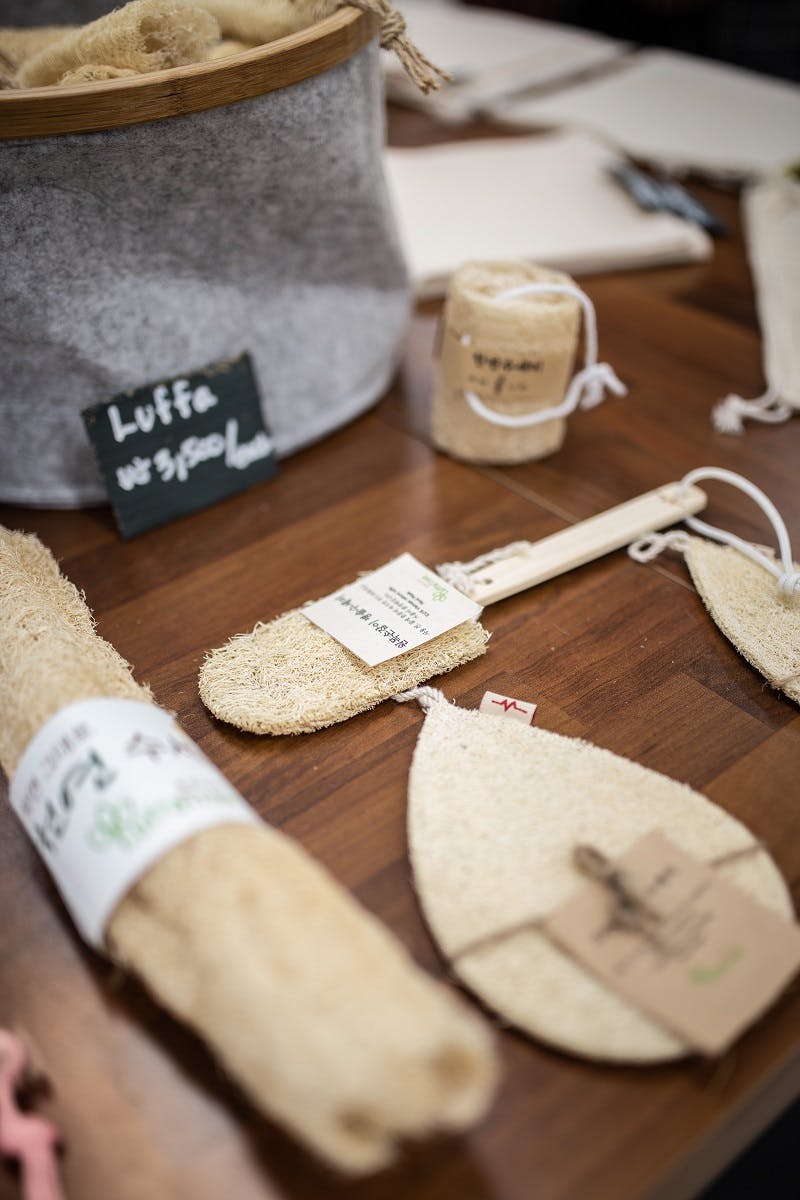
We don’t need a handful of people doing zero waste perfectly. We need millions of people doing it imperfectly.
Zero Waste Chef, Anne Marie Bonneau
When you’re looking to bring something new into your home, ask yourself these questions. These 3 questions fall in line with the zero waste hierarchy and can help you make more sustainable decisions when it comes to shopping.
1. Do I need this? If you already have something that can do the same job, skip the item until what you own reached the end of its useability. For example, this may include using your plastic toothbrushes before purchasing a more sustainable alternative, like a compostable bamboo version. Or, you may want to reuse glass jars that food comes packaged in to go bulk shopping instead of buying new containers.
2. Are there more sustainable options? If you’ve decided you need an item and have nothing on hand that can do the same job, look for sustainable alternatives. This may mean borrowing it from a friend or rental place if you only need it short term or finding a zero waste swap (see ideas below).
3. What amount do I really need? Only buy what you will use. This is especially important for items that spoil or have an expiry date.
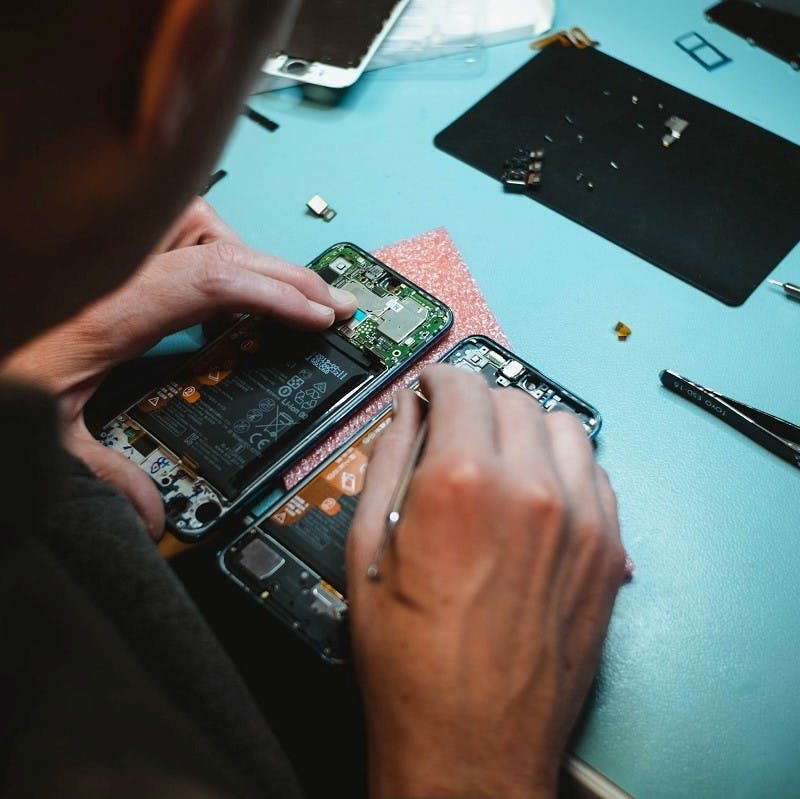
Plastic Bags: Bring reusable bags next time you go shopping to skip the plastic. You can also avoid plastic produce bags by shopping at the farmers’ market, bringing a cotton produce bag, or buying your produce without a bag.
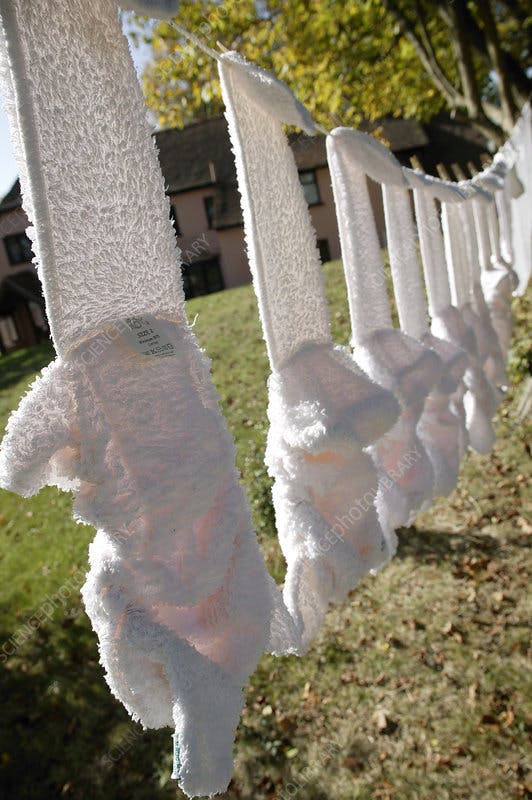
Diapers: Make the swap to cloth diapers. It will save you money in the long run and you won’t be adding to the 8 million disposable diapers sent to landfills in the UK daily.
Toilet Paper: It takes 37 gallons of water to create one roll of toilet paper. You can always look for toilet paper made from recycled paper to help conserve trees, but if you are looking to reduce your consumption, try a bidet or fabric swatches that are washable and reusable.
Menstrual Pads: There are many options on the market for a zero waste period. There are washable pads made from fabric, period underwear, and menstrual cups.
Shampoo: Wash your hair with a shampoo bar or see if there is a bulk store near you that has refillable hair care products.
Pens: Try a refillable fountain pen to skip the classic pens made from hard to recycle plastic.
Coffee Pods: Every year, billions of coffee pods get dumped into our landfills. You can make your cup of java zero waste by using a french press or a machine with a reusable filter.
Parchment: A silicone baking mat is non-stick and reusable for all of your baking and cooking needs, eliminating the need for single-use parchment.
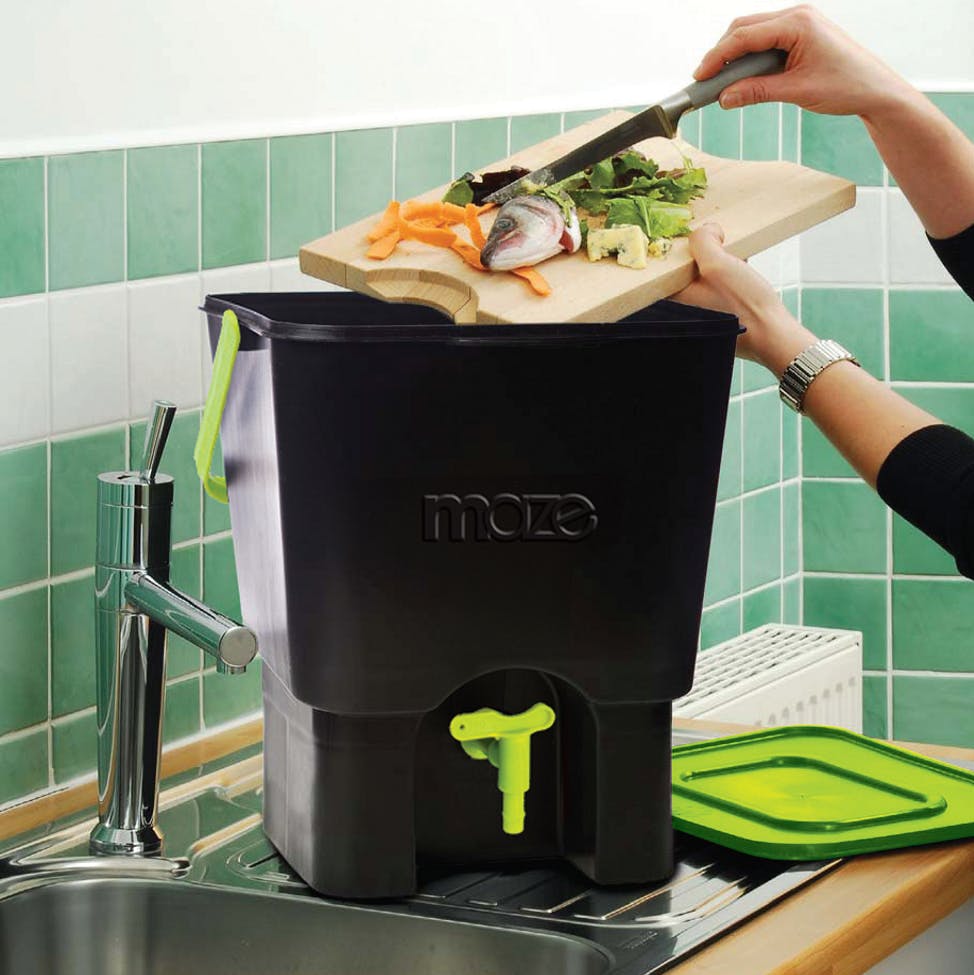
Food waste is worth mentioning when it comes to zero waste because it is an epidemic and the solutions to deter it are actionable for any household. In the UK, the average family wastes approximately $700 of food yearly—with much of that waste going to landfills. The problem with food decomposing in landfills is that there is a lack of air circulation, so it breaks down anaerobically (without air). This creates emissions of methane—a potent greenhouse gas that is heavily responsible for global warming. Therefore, an excellent way to start tackling your food waste is by home composting. This allows for air circulation, so little-to-no methane gets produced.
However, while composting is always a good idea, there are effective ways to deal with food waste so you don’t reach this point. This may include:
Only Buying What You Need: Make a list before hitting the grocery store, so you know exactly what you need, as well as the quantity. Planning a group of recipes for the week that use similar produce can also help you use these ingredients in their entirety.
Freezing Food: If you’ve accidentally made more than you can eat before it spoils, save it in the freezer. You can also preserve herbs this way by freezing them in ice cube trays with oil.
Rethinking Food Scraps: Before tossing scraps in the compost bin, look for ways to reuse them. Apple and banana peels can get boiled for tea, orange peels can be added to vinegar to make an all-natural citrus cleaner, and onion peels, beets peels, and avocado pits can produce natural dyes when boiled in water.
Going for Ugly Produce: 25% of apples, 20% of onions, and a portion of all other produce gets thrown away in the UK because they are “ugly”— they aren’t the perfect shape or color. However, more supermarkets are beginning to offer ugly produce at a discounted price, so take advantage. You will save money and help deter food waste.
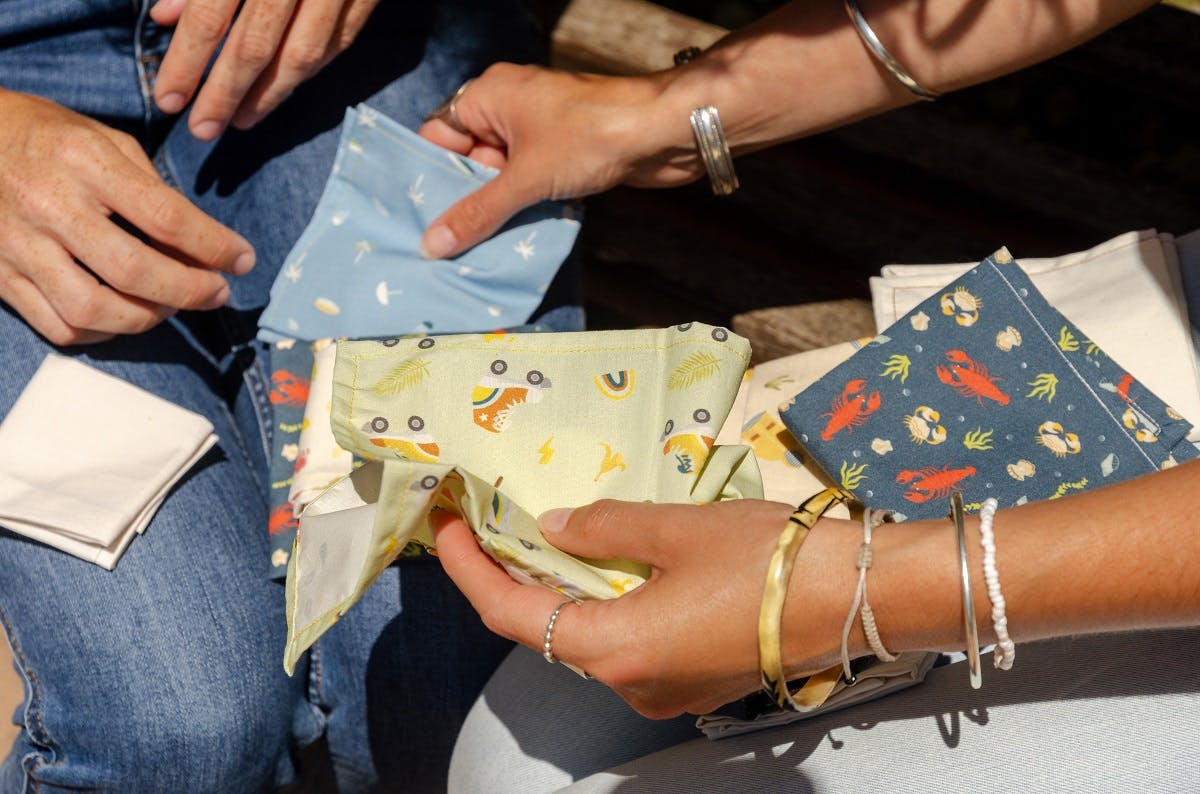
Going zero waste does not mean shifting away from your other eco-efforts like composting and plastic-free living. Instead, it works in harmony with these movements and unifies them to highlights how they are all working toward the same cause—making a positive impact on the planet. If you are considering embracing zero waste, start small and don’t get discouraged if your waste production doesn’t drop to zero—all strides toward reducing waste make a difference. In the words of the Zero Waste Chef, Anne Marie Bonneau,
“We don’t need a handful of people doing zero waste perfectly. We need millions of people doing it imperfectly.”

Remember the 7 tiers to Zero Waste
 Rethink/RedesignReduceReuseRecycle / CompostMaterials RecoverResiduals ManagementUnacceptable

